Austin Area Wildlife Rehabilitation, Inc. |
info@austinareawildliferehab.org |
Trapping WildlifeTrapping should be used as a last resort effort to deal with an unwanted situation.
Trapping an animal will not stop the next animal from moving in. When one territory is vacated (as with a trapped animal), another animal WILL move in to take the trapped animal's place. Sticky traps are very cruel and may catch other animals, and poisons are hard to control (who eats the dead animal?).
In addition, more than 50% of the animals trapped and released elsewhere are females, and if trapped in April through September, they probably have babies. The babies will subsequently die and leave bad odors behind which are almost impossible to remove.
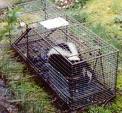
Animals caught in live traps are subject to many injuries in the trapping process and in their subsequent attempts to get free. Many animals have died from limb loss or worse.
Lastly, animals trapped and released elsewhere almost always die within one year due to territorial disputes and food shortages. Learning where to find food is a difficult process, one not easily transferred from one area to another. Also to be considered is the impact of the relocated animal on the resident animals. The competition for food, space, and mates causes additional suffering and death. The most effective way to eliminate unwanted animals is to make your habitat undesirable for them.